Mobile Paint Repair Solutions You Never Knew Existed
Paint Damage Repair Guide: How to Identify and Fix Common Car Paint Issues
Every car owner eventually faces the frustration of discovering paint damage on their vehicle.
Whether it's a scratch from a shopping cart, chips from highway debris, or fading from years of sun exposure, paint damage affects both the appearance and value of your car. The challenge isn't just dealing with the damage itself, but also knowing when you can handle repairs yourself and when
professional paint repair is necessary.
If you're a car owner in Cumming, Georgia or the surrounding Forsyth County area, you're already familiar with the unique challenges our climate presents. Georgia's intense summer sun and high humidity create conditions that accelerate paint deterioration. Heavy traffic on corridors like Highway 400 means constant exposure to stone chips and road debris.
This guide walks you through the most common types of paint damage, teaches you how to assess severity, explains when DIY repairs make sense, and shows you what professional repair involves. By the end, you'll know exactly how to handle paint damage on your vehicle.
TL;DR — Mobile Paint Repair Solutions You Never Knew Existed
- Five main types of paint damage affect most vehicles: scratches, stone chips, sun damage, clear coat failure, and environmental damage
- The fingernail test helps determine if damage is surface-level or requires professional repair
- DIY repairs work for minor surface scratches and small chips, but deep damage needs professional attention
- Georgia's climate accelerates paint deterioration through UV exposure and humidity
- Professional repair includes computerized color-matching technology and multi-stage processes that DIY kits can't replicate
- Early intervention prevents rust formation and more expensive repairs down the road
- Choosing an I-CAR Gold Class® certified shop ensures quality work and proper warranty coverage
The 5 Most Common Paint Damage Issues (And How to Spot Them)
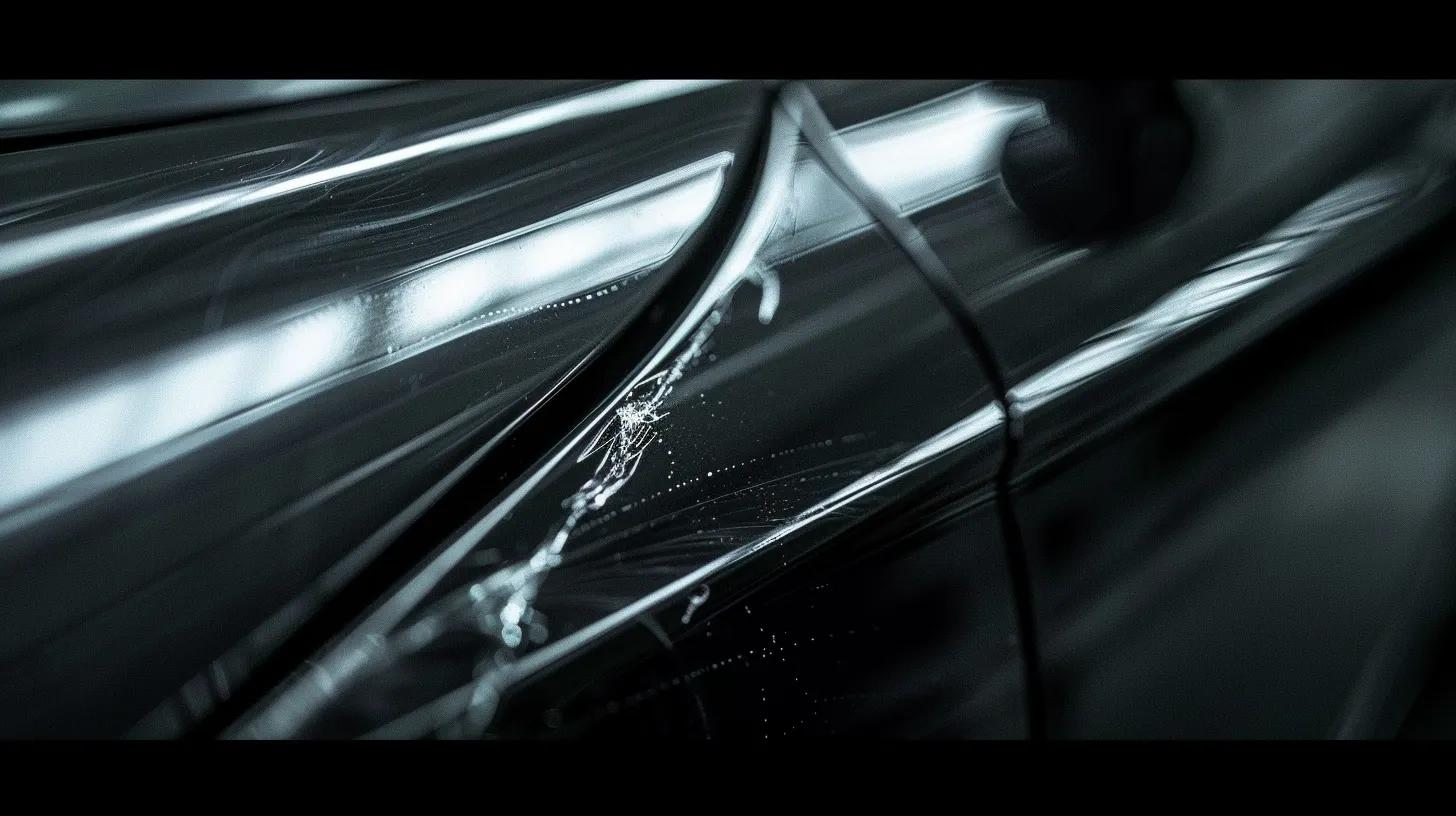
Understanding what type of damage you're dealing with is the first step toward effective repair. Each type has distinct characteristics and requires different approaches.
Issue #1 - Scratches from Parking Lots and Road Debris
Scratches are the most common form of paint damage. They range from barely visible surface marks to deep gouges that expose bare metal. The key is determining which layer of your car's paint system has been compromised.
Your car's paint consists of three layers: primer (bonded to the metal), base coat (the color), and clear coat (the protective top layer). Surface scratches only affect the clear coat and often appear as fine lines that catch light at certain angles. You can usually feel these with your fingernail, but they don't catch or snag.
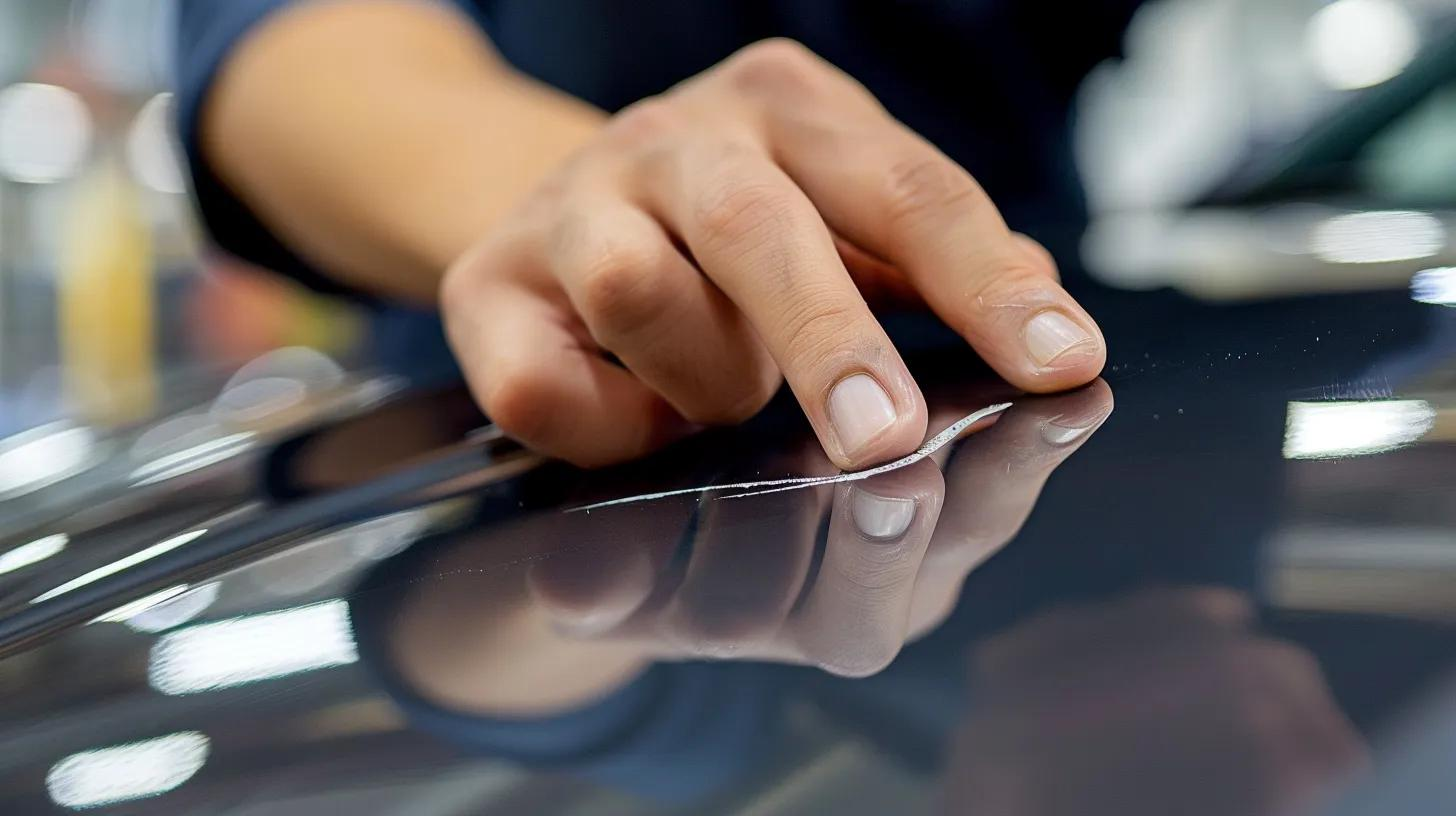
Deep scratches penetrate through the clear coat into the base coat or even down to the primer. These appear as white or gray lines (if they've reached the primer) or show the color of the underlying metal. Run your fingernail across the scratch. If it catches and you can feel a distinct groove, the damage has gone beyond the clear coat.
Issue #2 - Stone Chips from Highway Driving
Stone chips are small impact points where rocks or road debris have struck your paint at high speed. These are especially common on vehicles that regularly travel Highway 400 and other North Georgia highways where construction and heavy truck traffic kick up debris.
Fresh chips appear as small craters in the paint, often with raised edges where the impact compresses the surrounding material. The center of the chip may show white (primer), gray (bare metal), or even rust if the damage has been present for a while. Front bumpers, hoods, and the lower portions of doors are the most vulnerable areas.
⚠️
Critical Warning: Once bare metal is exposed to moisture and air, rust begins forming within days. In Georgia's humid climate, this process happens faster than in drier regions. A single chip can spread rust underneath the surrounding paint, creating a repair problem much larger than the original damage.
Issue #3 - Sun Damage and Paint Fading
Georgia's intense UV exposure takes a serious toll on automotive paint. According to the
National Weather Service , the Atlanta metro area (including Cumming) receives high UV index readings throughout much of the year, with summer months regularly reaching "very high" and "extreme" levels.
Sun damage appears gradually. The first sign is usually a loss of gloss—the paint looks dull even after washing and waxing. As oxidation progresses, the paint develops a chalky appearance. If you run your hand across the surface, you'll feel a rough texture and may see white residue on your fingers. This is the paint's binder breaking down and the pigment particles becoming exposed.
Darker colors, especially reds and blacks, show sun damage more quickly than lighter colors. Horizontal surfaces like hoods and roofs deteriorate faster than vertical panels because they receive more direct sunlight. Once oxidation reaches the advanced stage where the paint feels rough and chalky, simple polishing won't restore the finish. The damaged paint needs to be removed and replaced.
Issue #4 - Clear Coat Peeling and Delamination
Clear coat failure is one of the most frustrating paint problems because it often affects large areas and can't be spot-repaired effectively. The clear coat is designed to protect the color layer underneath, but it can separate from the base coat due to manufacturing defects, improper application, or environmental stress.
Early clear coat failure appears as small bubbles or blisters in the paint surface. As it progresses, these areas begin to peel, revealing the base coat underneath. The peeling often starts at panel edges, around trim pieces, or on horizontal surfaces where heat and UV exposure are greatest. Georgia's combination of high heat and humidity accelerates this process.
Once clear coat peeling begins, it spreads rapidly. The compromised areas allow moisture to penetrate between the clear coat and base coat, causing more delamination. Unlike scratches or chips that can be touched up, peeling a clear coat requires removing all the damaged material and refinishing the entire panel.
Issue #5 - Chemical and Environmental Damage
Environmental contaminants cause some of the most severe paint damage, often in ways that aren't immediately obvious. Bird droppings are particularly destructive because they're acidic and begin etching into paint within hours. If left on the surface for days, they can eat completely through the clear coat and into the base coat, leaving permanent marks that can't be polished out.
Tree sap creates a different problem. It bonds to the paint surface and hardens, trapping moisture underneath. When you try to remove hardened sap, you often pull off a clear coat with it. Industrial fallout—tiny particles of metal, tar, and other contaminants that settle on your car—embeds itself in the paint and causes rust spots and staining.
In the Cumming and North Georgia area, pollen is another consideration. While pollen itself doesn't damage paint, the combination of pollen, moisture, and heat creates an acidic mixture that can etch a clear coat if left on the surface for extended periods during spring months.
Quick Diagnostic Guide: Can You Fix It Yourself?
Not all paint damage requires professional repair, but knowing the difference between DIY-appropriate damage and problems that need expert attention saves you time, money, and frustration.
The 3-Question Assessment
Before you decide on a repair approach, answer these three questions honestly:
Question 1: Can you feel the damage with your fingernail? Run your fingernail gently across the damaged area. If your nail glides smoothly over the surface without catching, the damage is likely limited to the clear coat. If your nail catches in a groove or you can feel a distinct edge, the damage has penetrated deeper layers.
Question 2: Is bare metal exposed? Look closely at the damaged area in good lighting. If you see silver, gray, or any color that doesn't match your car's paint, you're looking at exposed metal or primer. This means the protective paint layers have been completely compromised.
Question 3: Is the damage larger than a quarter? Small damage can be spot-repaired with touch-up paint. Larger areas require blending techniques to avoid visible repair lines, which is difficult to achieve without professional equipment.
If you answered "yes" to any of these questions, professional repair is your best option. If all three answers are "no," you may be able to handle the repair yourself.
DIY-Friendly Paint Damage
Surface-level scratches that only affect the clear coat respond well to polishing compounds. These products use mild abrasives to level the clear coat around the scratch, making it less visible or removing it entirely. The process works because the clear coat is relatively thick, typically 1.5 to 2 mils (thousandths of an inch), giving you room to remove a small amount without compromising protection.
Small paint chips, roughly the size of a pencil eraser or smaller, can be addressed with touch-up paint. Automotive touch-up kits include paint matched to your car's color code, along with a small brush or pen applicator. The key to success is applying very thin layers, allowing each to dry completely before adding the next. Three or four thin coats produce better results than one thick application.
Light oxidation and fading in the early stages can sometimes be improved with aggressive polishing or paint restoration products. These remove the damaged outer layer of the clear coat to reveal fresher material underneath. However, this only works if the oxidation hasn't penetrated too deeply, and you can only polish a clear coat so many times before you remove too much material.
Damage That Needs Professional Repair
Deep scratches that penetrate to the base coat or primer require color-matched paint application and proper blending to avoid visible repair lines. Professional painters use spray equipment that atomizes paint into extremely fine particles, creating a smooth, even finish that brush application can't match. They also have access to computerized color-matching systems that account for your paint's age and fading.
Any damage that exposes bare metal needs immediate professional attention. Once rust begins forming, it spreads underneath the surrounding paint, creating a much larger problem. Professional repair includes proper rust removal, metal treatment, and primer application before color coats are applied—steps that DIY kits don't address.
Large damaged areas, anything bigger than a few inches across, require panel refinishing. This involves preparing the entire panel, applying new paint, and blending it into adjacent panels so there's no visible line where the new paint meets the old. This level of work requires spray equipment, a controlled environment, and experience with blending techniques. For related damage like minor dents alongside paint issues,
paintless dent repair can often be combined with paint correction for comprehensive results.
Color matching presents another challenge for DIY repairs. Your car's paint has faded and changed color since it left the factory. Touch-up paint matched to your original color code will be noticeably brighter than your current finish. Professional shops use computerized color-matching systems and spectrophotometers to analyze your actual current color and mix custom paint that matches perfectly.
DIY Paint Damage Repair: Step-by-Step Guide
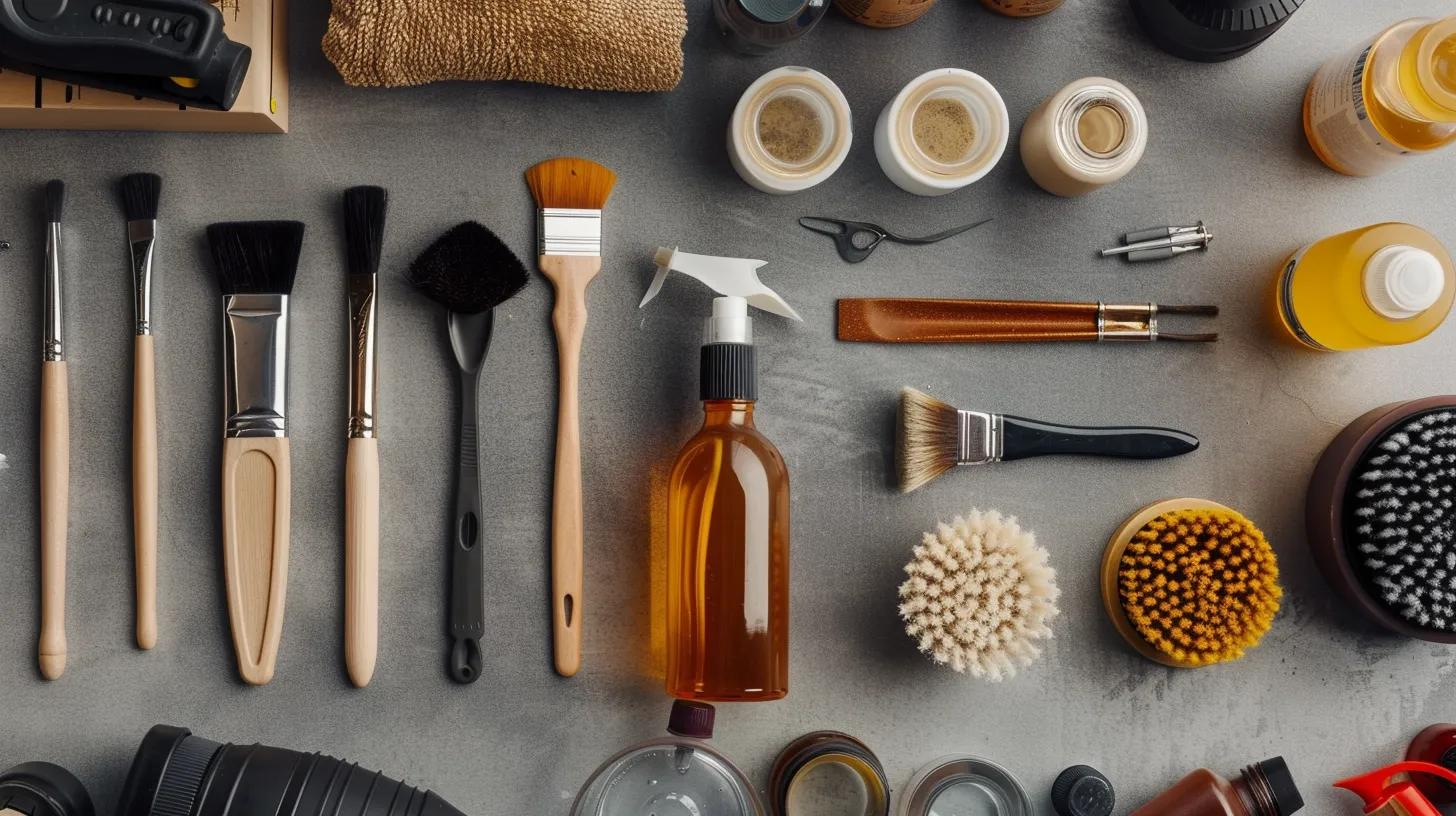
If you've determined your damage is appropriate for DIY repair, following the correct process makes the difference between acceptable results and a repair that looks worse than the original damage.
Tools and Materials You'll Need
For scratch repair, you'll need polishing compound (choose medium-cut for visible scratches), microfiber applicator pads, and microfiber towels for buffing. If you're using a dual-action polisher, make sure you have the appropriate foam pads—cutting pads for compound, finishing pads for final polish.
For chip repair, get touch-up paint matched to your car's paint code (found on a sticker in the driver's door jamb or glove box). You'll also need automotive primer if bare metal is exposed, clear coat for sealing, fine-grit sandpaper (2000-3000 grit), rubbing alcohol for surface prep, and small artist brushes or toothpicks for precise application.
Surface Preparation
Proper preparation determines repair quality more than any other factor. Start by washing the damaged area thoroughly with automotive soap to remove dirt, wax, and contaminants. Dry completely with a clean microfiber towel.
For scratch repair, clean the area again with rubbing alcohol to remove any remaining wax or polish. This ensures the polishing compound can work directly on the clear coat without interference.
For chip repair, if bare metal is exposed, lightly sand the area with 2000-grit sandpaper to remove any rust and create a smooth surface. Wipe with rubbing alcohol and let dry completely. Any moisture trapped under the paint will cause problems later.
Paint Application Best Practices
Modern automotive paint systems are designed for spray application, which makes brush application challenging. The key is working with very thin layers.
For chips, if bare metal is exposed, apply a tiny amount of primer first. Use a toothpick or fine artist brush to place just enough primer to fill the chip without building up above the surrounding surface. Let it dry for at least an hour.
Apply a color coat in the same manner—multiple thin layers rather than one thick application. Each layer should be barely visible. Allow 20-30 minutes drying time between coats. Build up the paint until it's just slightly below the surrounding surface level. This typically takes three to five coats.
After the color coat has dried for at least 24 hours, apply a clear coat using the same thin-layer technique. The clear coat should bring the repair level with the surrounding paint. Let it cure for several days before polishing.
Common DIY Mistakes to Avoid
❌ Mistake #1: Applying too much paint at once
Thick applications don't dry properly, leading to shrinkage, cracking, and a repair that's obviously visible. Patience with thin layers produces dramatically better results.
❌
Mistake #2: Poor color matching
If your touch-up paint doesn't match your faded finish, consider having a professional mix a custom color. The cost is minimal compared to the improvement in results.
❌
Mistake #3: Inadequate surface preparation
Paint won't adhere properly to contaminated surfaces, and rust will continue spreading under new paint if it's not completely removed first. Taking extra time with prep work prevents having to redo the repair.
When to Call a Professional: The Paint Damage Repair Process
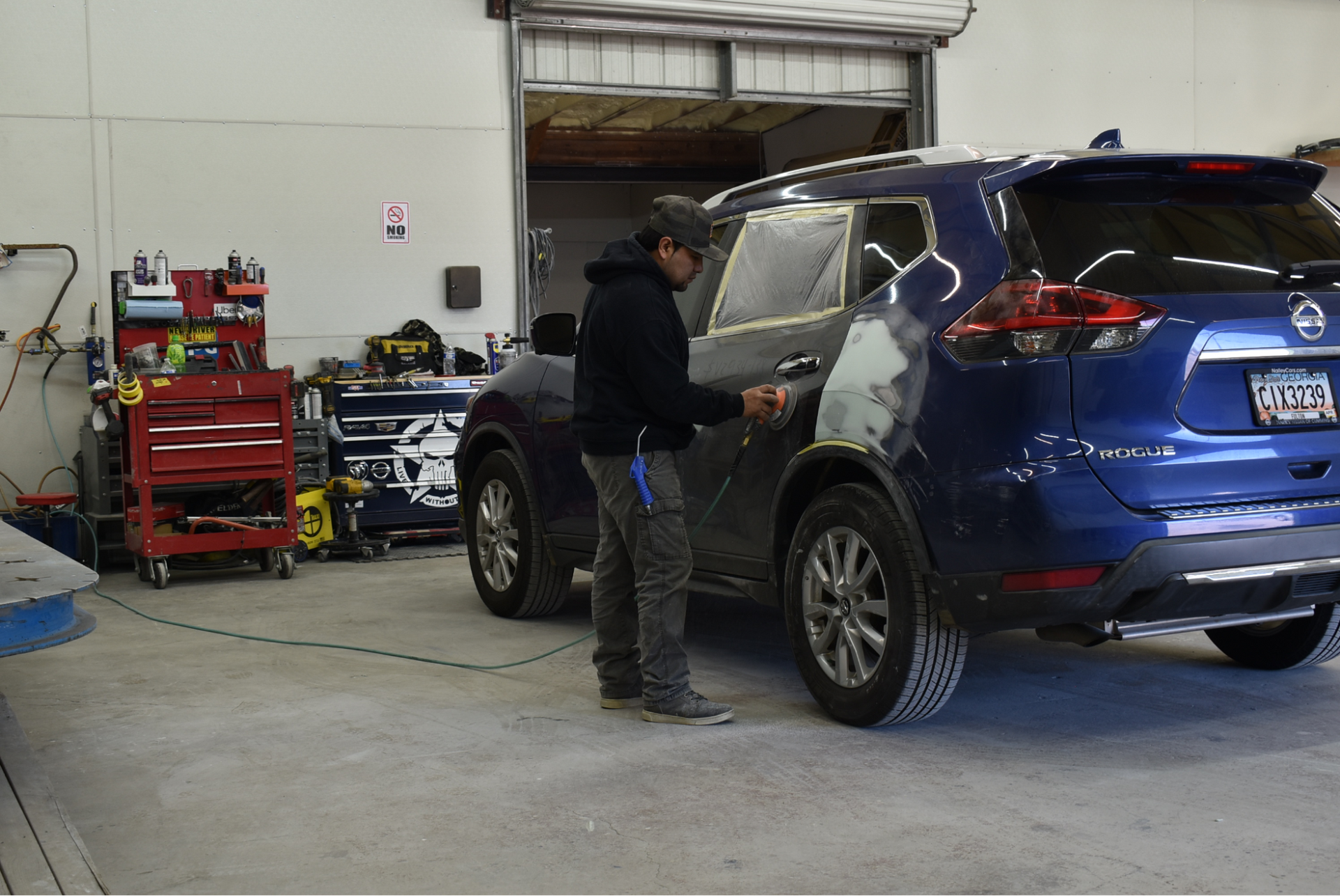
Professional paint repair involves sophisticated equipment, controlled environments, and techniques that produce results impossible to achieve with DIY methods.
What Professional Repair Includes
The process begins with comprehensive damage assessment. Technicians examine the visible damage and check for hidden issues like rust formation under the paint or structural damage that might affect the repair. They measure paint thickness to determine how much material can be safely removed during preparation.
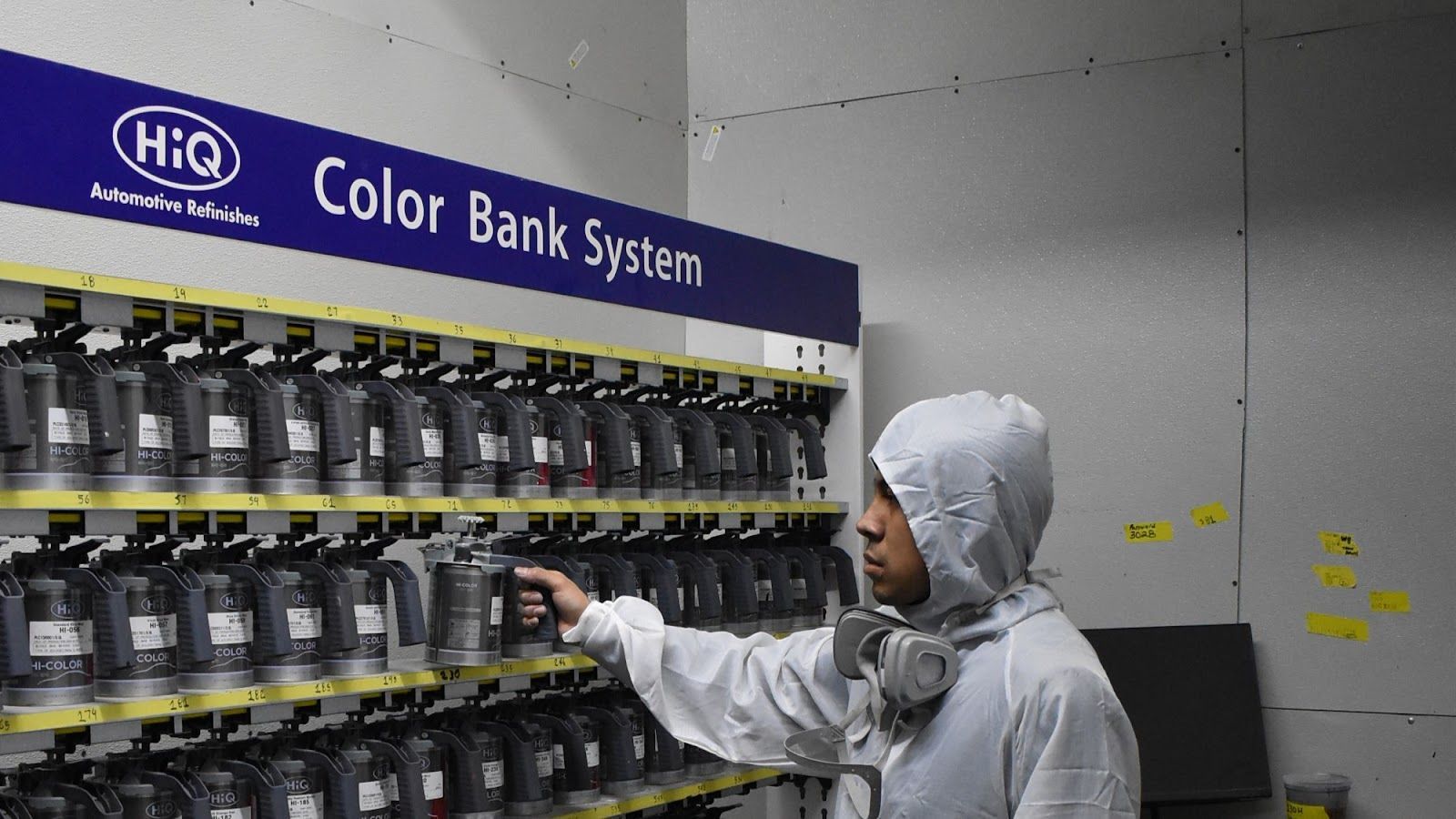
Advanced color matching technology is one of the biggest advantages of professional repair. Our computerized color-matching system uses spectrophotometers to analyze your car's actual current color by measuring how it reflects light at different wavelengths. This data feeds into our mixing system that creates custom paint formulas matching your specific vehicle, accounting for years of fading and weathering. We combine this technology with premium paint products to guarantee a perfect match to your original finish.
Our Three-Stage Repair Process:
Stage 1: Surface Preparation - Specialized sanding equipment and techniques prepare the damaged area, removing rust and creating the ideal surface for paint adhesion.
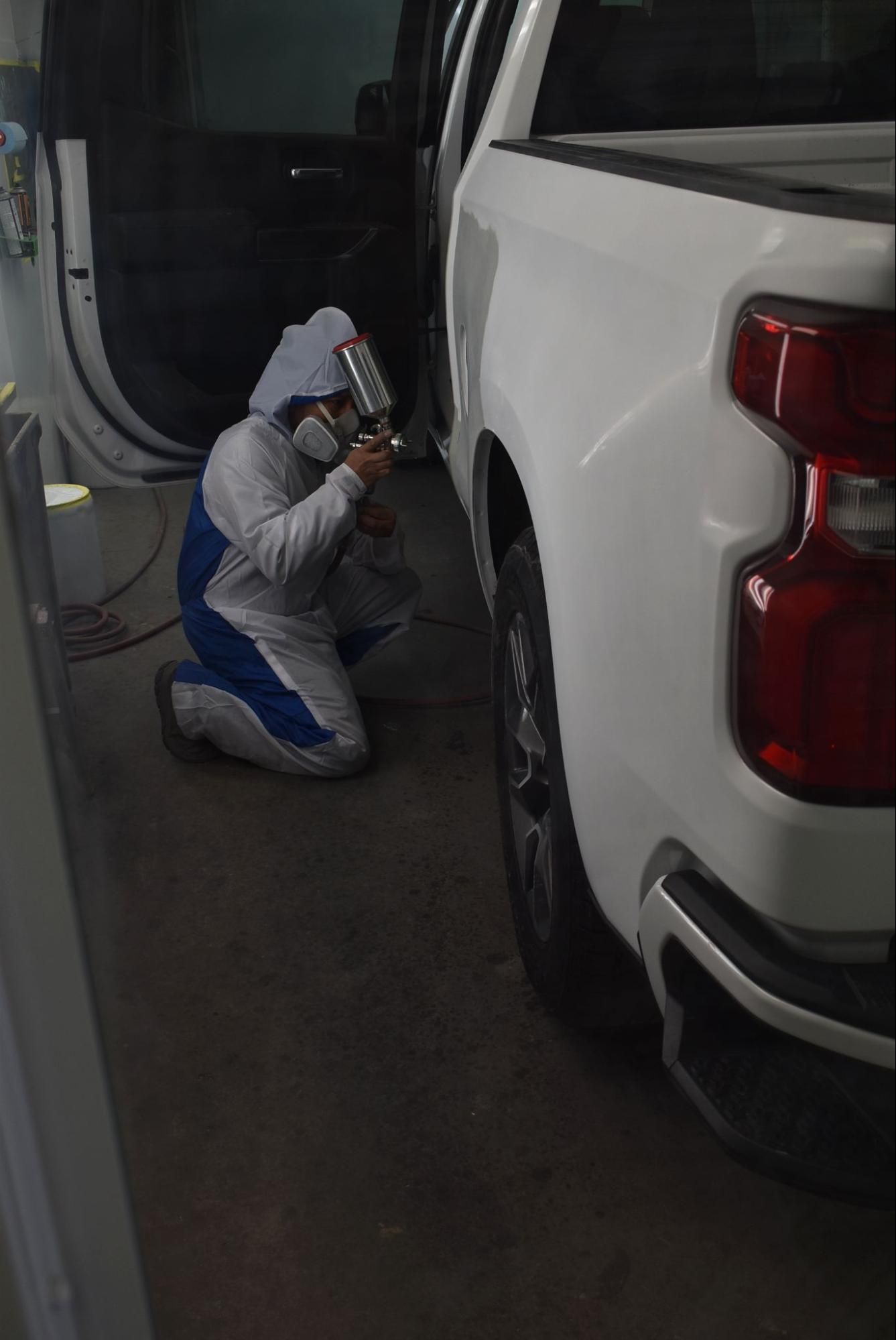
Stage 2: Expert Paint Application - Premium paint products applied in multiple coats using professional spray equipment in a climate-controlled environment.
Stage 3: Rigorous Quality Control - Multi-point inspection ensures factory-matched finish, proper curing, and long-term durability.
Our
professional paint scratch removal services follow these same exacting standards.
Quality guarantees provide peace of mind. We warranty our paint work, covering defects in materials and workmanship for several years. This protection isn't available with DIY repairs. Understanding
our repair process helps you see the difference between professional and DIY approaches.
The Professional Advantage
Factory-quality finish is achievable only with professional spray equipment. HVLP (High Volume, Low Pressure) spray guns atomize paint into particles so fine they create a perfectly smooth surface without brush marks, orange peel texture, or uneven coverage. The finish matches your car's original appearance.
Proper paint system application means using products designed to work together. We use complete paint systems from leading manufacturers—primer, sealer, base coat, and clear coat all formulated to bond chemically with each other. This creates a durable finish that resists chipping, fading, and environmental damage far better than consumer-grade touch-up products.
Warranty protection covers both materials and labor. If the paint fails due to defects in application or materials, we'll redo the work at no charge. This protection is especially valuable for larger repairs where the investment is significant.
Resale value preservation is an often-overlooked benefit. Professional paint repair maintains your vehicle's value by ensuring the finish matches factory quality. Poor DIY repairs or visible damage significantly reduce resale value, often by more than the cost of professional repair.
As an I-CAR Gold Class® certified shop, we adhere to the highest industry training standards for repair quality and safety. Our certification and recognition from leading automotive manufacturers ensure your vehicle receives expert care using proven methods that meet manufacturer specifications. Shops following
I-CAR Gold Class® certified procedures maintain ongoing training and equipment investments that benefit you.
Cost vs. Value Considerations
Professional repair costs more upfront than DIY attempts, but the value equation often favors professional work. A quality repair lasts the life of the vehicle, while DIY repairs frequently need redoing within a year or two. The cost of multiple DIY attempts often exceeds the price of doing it right the first time.
Insurance coverage can make professional repair surprisingly affordable. Comprehensive coverage typically includes paint damage from environmental causes, vandalism, and many other sources. We work with all major insurance companies and handle the entire claims process for you, making repairs hassle-free. We also offer free towing for most auto body repair services, so you don't have to worry about getting your vehicle to our shop. Your deductible may be less than you expect, and using insurance doesn't affect your rates the way at-fault accident claims do.
For newer vehicles or cars you plan to keep long-term, professional repair is almost always the better investment. The quality difference is substantial, and proper repair prevents rust and further deterioration that would cost much more to address later.
Protecting Your Investment: Paint Damage Prevention
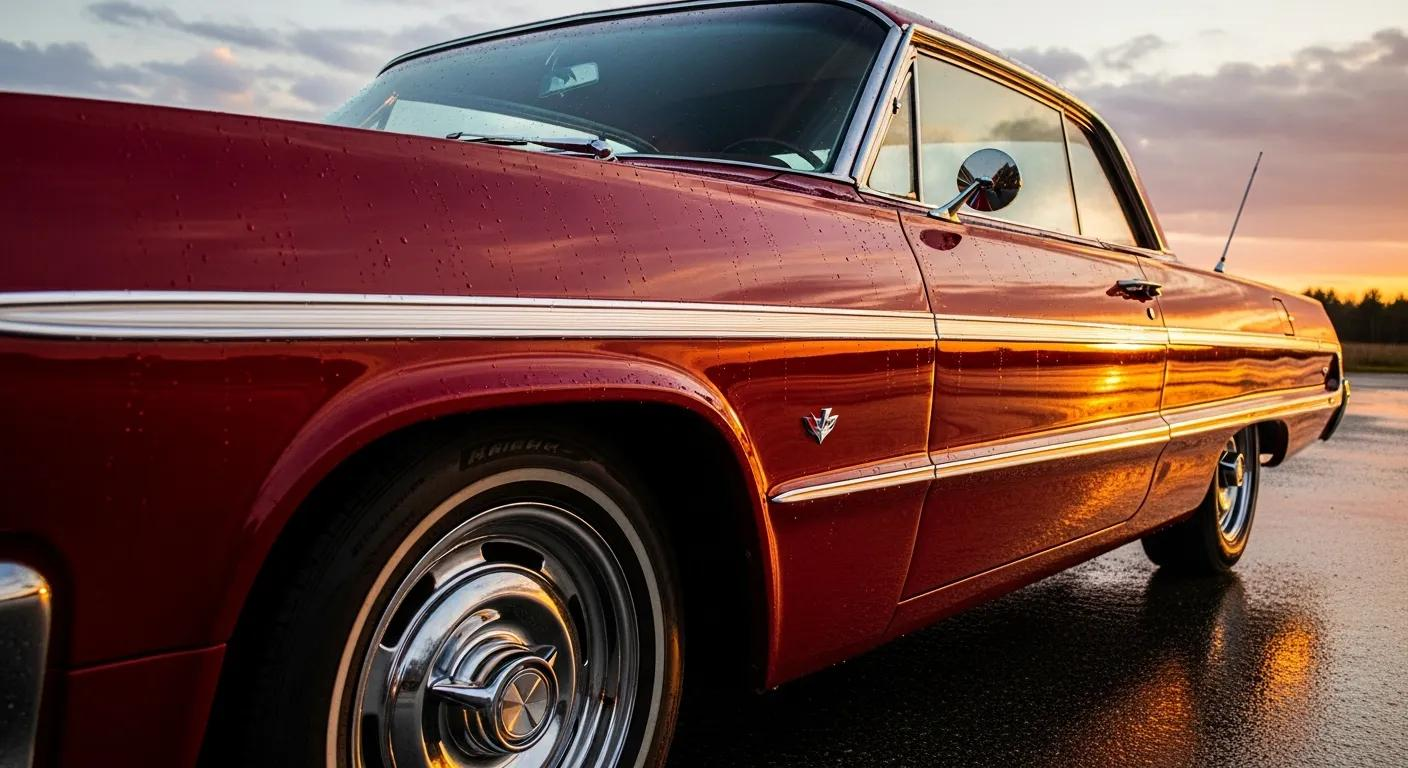
Preventing paint damage is easier and less expensive than repairing it. A few regular maintenance habits make a significant difference.
Maintenance Schedule for Cumming, GA Climate
Georgia's climate demands more frequent paint maintenance than moderate climates require. Wash your car every two weeks during summer months to remove contaminants before they etch into the paint. During spring, when pollen is heavy, weekly washing prevents acidic buildup.
Wax or seal your paint every three months. Modern synthetic sealants provide better UV protection than traditional carnauba wax and last longer in high-heat conditions. Apply sealant in spring before the intense summer sun arrives, again in mid-summer, and once more in fall.
Consider ceramic coating for maximum protection. Professional-grade ceramic coatings create a hard, chemically-bonded layer over your paint that resists UV damage, chemical etching, and minor scratches. These coatings last two to five years depending on the product and maintenance. Our guide on
preventing spring weather paint damage offers seasonal strategies specific to North Georgia conditions.
Park in shade whenever possible. Even a few hours of direct Georgia sun heats paint surfaces to temperatures that accelerate oxidation and clear coat breakdown. If garage parking isn't available, use a car cover for long-term parking or seek covered parking for daily use.
Early Intervention Saves Money
Small paint damage becomes big problems when ignored. A single stone chip that exposes bare metal will develop rust within days in humid conditions. That rust spreads underneath the surrounding paint, turning a simple touch-up into a major panel refinishing job.
Clear coat damage follows a similar progression. A small area of failing clear coat spreads as moisture penetrates between layers. Addressing it early might require spot repair of a few square inches. Waiting until it spreads could mean refinishing the entire panel.
Regular inspection helps you catch damage early. Once a month, walk around your car in good lighting and look for new chips, scratches, or areas where the paint looks different. Check horizontal surfaces (hood, roof, trunk) for oxidation. Inspect panel edges and around trim pieces for clear coat lifting. Finding problems early gives you more repair options and lower costs.
Finding the Right Paint Repair Shop in Forsyth County
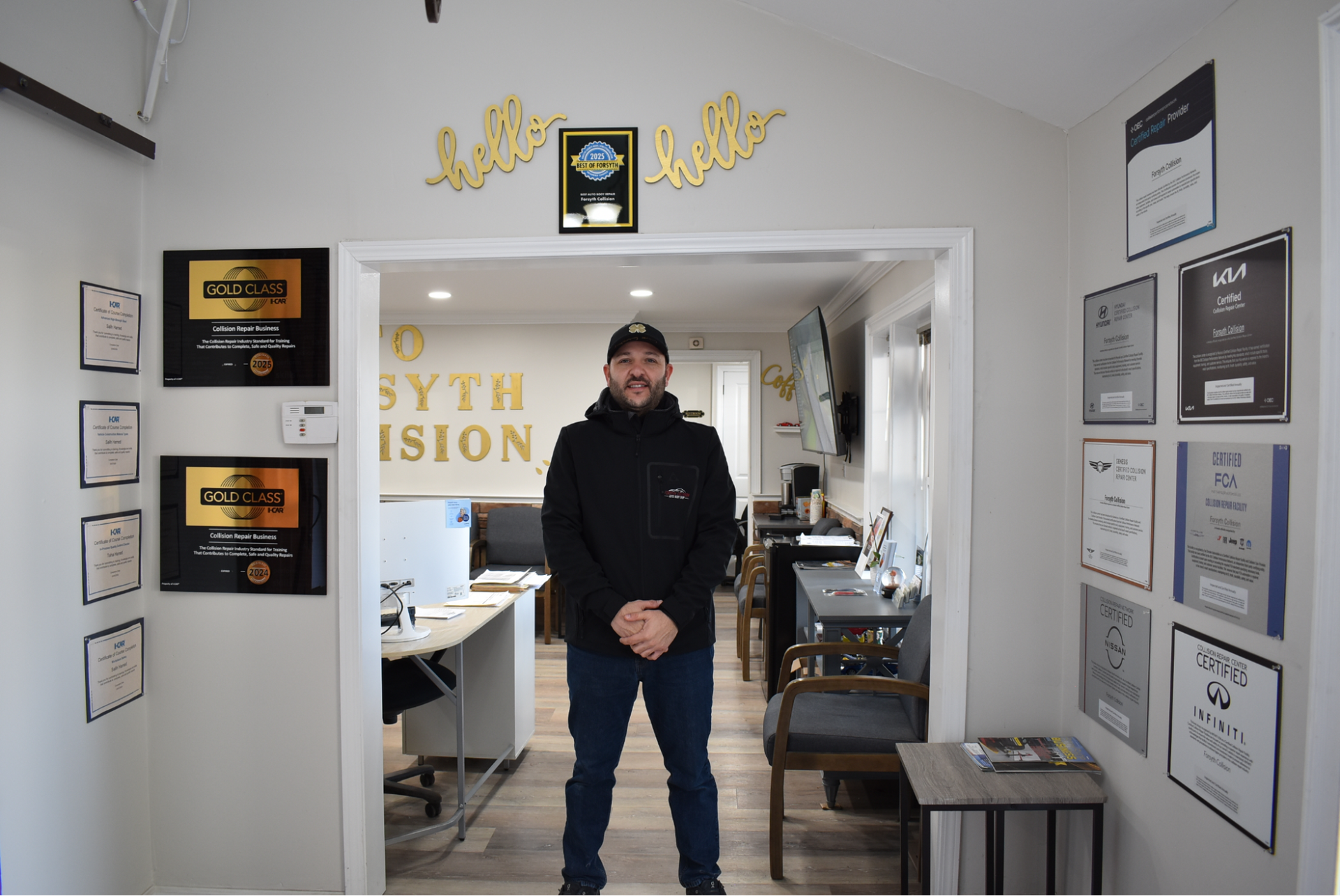
Not all repair shops deliver the same quality. Knowing what to look for helps you choose a shop that will do the job right.
Certification and expertise matter. Look for shops with I-CAR Gold Class® certification, which indicates technicians have completed the highest level of industry-recognized training in proper repair procedures. This certification requires ongoing education and demonstrates commitment to quality. Ask about the shop's experience with your vehicle make—some manufacturers have specific paint systems that require specialized knowledge.
Technology and equipment separate professional shops from basic operations. Ask if the shop uses computerized color-matching systems, has a climate-controlled paint booth, and uses premium paint products from leading manufacturers. These aren't luxuries—they're necessities for quality work. Our
auto painting services utilize the latest technology to ensure perfect results.
Customer reviews and reputation provide insight into real-world results. Check Google reviews, but look beyond the star rating. Read what customers say about the quality of finished work, how the shop handled any issues that arose, and whether the repair held up over time. Visit our
repair gallery to see examples of our completed work.
Get detailed written estimates that break down labor, materials, and any additional work that might be needed. A quality shop will inspect your vehicle thoroughly and explain exactly what they'll do and why. Be wary of estimates that seem too good to be true—they usually are.
Ask about warranties. Reputable shops stand behind their work with written warranties covering both materials and labor. Understand what's covered, for how long, and what might void the warranty.
For professional paint repair in Cumming, choose a shop that combines I-CAR Gold Class® certification, advanced technology, and a proven track record of quality work.
Conclusion
Paint damage is a normal part of vehicle ownership, but how you handle it makes the difference between maintaining your car's appearance and value or watching it deteriorate. Understanding the types of damage, knowing when DIY repair is appropriate, and recognizing when professional help is necessary puts you in control of the situation.
The key takeaways are simple: assess damage honestly using the three-question test, don't delay repairs when bare metal is exposed, and choose professional repair for anything beyond minor surface scratches and small chips. Georgia's climate accelerates paint deterioration, making prompt attention to damage more important here than in many other regions.
Whether you're dealing with stone chips from Highway 400, sun damage from Georgia's intense UV exposure, or environmental damage from our humid climate, the right repair approach preserves your vehicle's appearance and protects your investment.
For professional paint damage assessment and repair in Cumming, GA, Forsyth Collision has served the Forsyth County community for over 10 years. As the Best of Forsyth winner for 2025 and 2026, our I-CAR Gold Class® certified technicians use computerized color-matching technology, premium paint products, and manufacturer-approved repair procedures to restore your vehicle to factory-quality finish. We serve customers throughout Forsyth County, including Alpharetta, Johns Creek, Suwanee, and surrounding North Georgia communities.
Contact us today for a free estimate and expert guidance on your paint damage repair options.