What Separates Expert Paint Repair From the Average Auto Body Shop
The difference between paint repair that holds up for years and work that fails within months often comes down to details most car owners never get to see. The shop you choose determines not just how your vehicle looks when you drive away, but how long that quality lasts.
Knowing what separates expert repair from average work means you can evaluate any shop before committing and hold them accountable after. This guide, drawing on the repair standards practiced at
Forsyth Collision, covers the process, the materials, the quality markers, and the warning signs that matter before you hand over your keys.
TL;DR — Forsyth Collision is Forsyth County’s Best Auto Body Shop in 2026!
- Expert paint repair starts with rigorous surface prep — shortcuts here compromise every layer applied on top of it.
- Precise color matching requires calibrated technology, not paint code approximations.
- OEM-grade paints perform fundamentally differently from budget alternatives under real-world conditions.
- Knowing what to inspect at pick-up helps you protect your investment before you drive away.
What "Expert" Actually Means in Paint Repair
The word “expert” gets used loosely across the auto body industry. In practice, it comes down to two things: the credentials behind the technician and the equipment they work with every day.
The Role of Technician Training and Certification
Certified technicians, such as those trained through
I-CAR, the industry's primary professional development organization for collision repair, complete ongoing education in refinishing techniques, material application, and evolving repair standards. The certification requires annual renewal, which means technicians keep taking coursework as paint chemistries, substrate materials, and repair methods change.
An uncertified technician may understand the basics, but the margin for error in paint repair is narrow. Differences in application pressure, ambient temperature, humidity, or timing can be the difference between a finish that holds and one that shows its flaws within weeks.
Why Equipment and Technology Matter
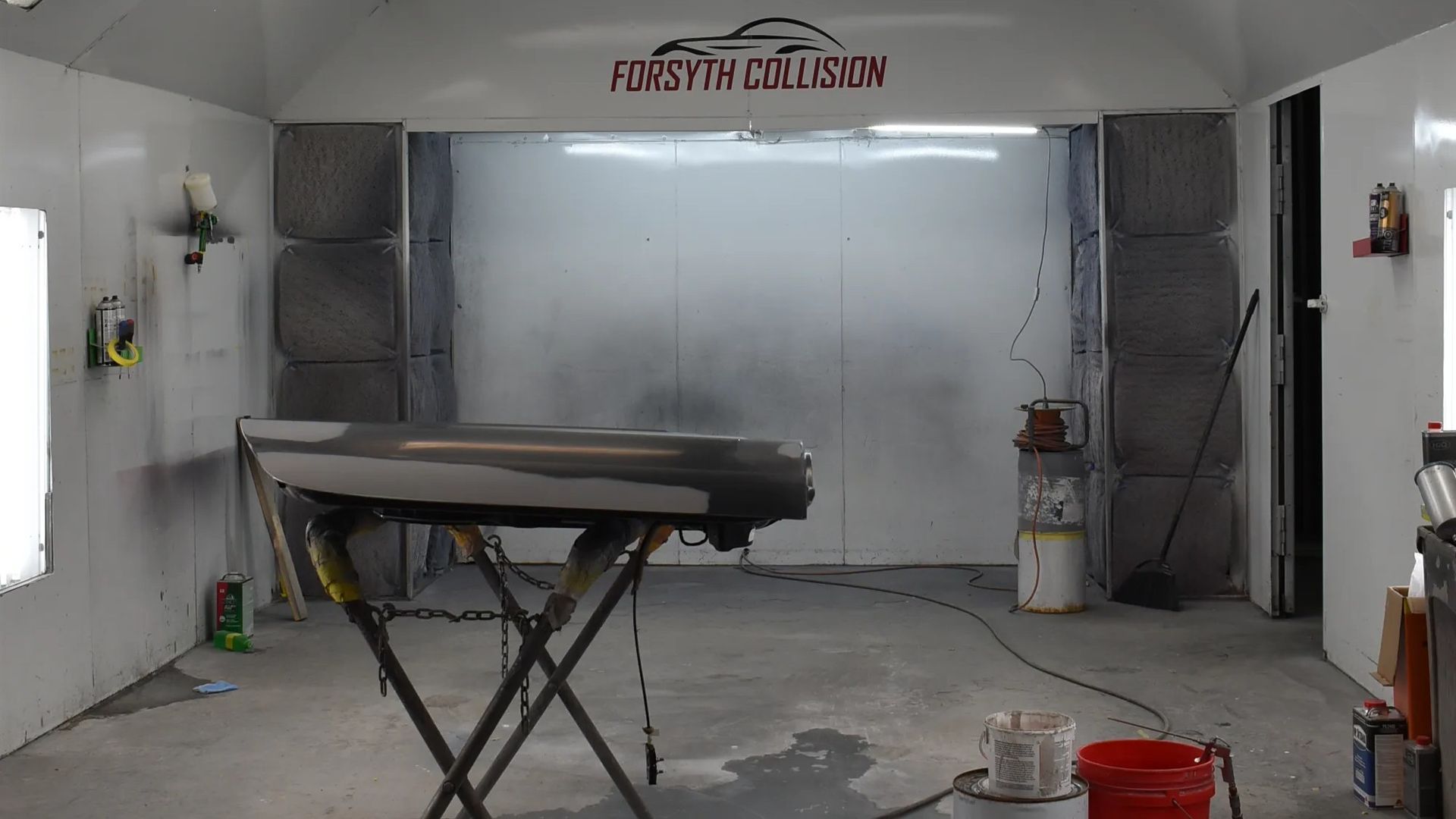
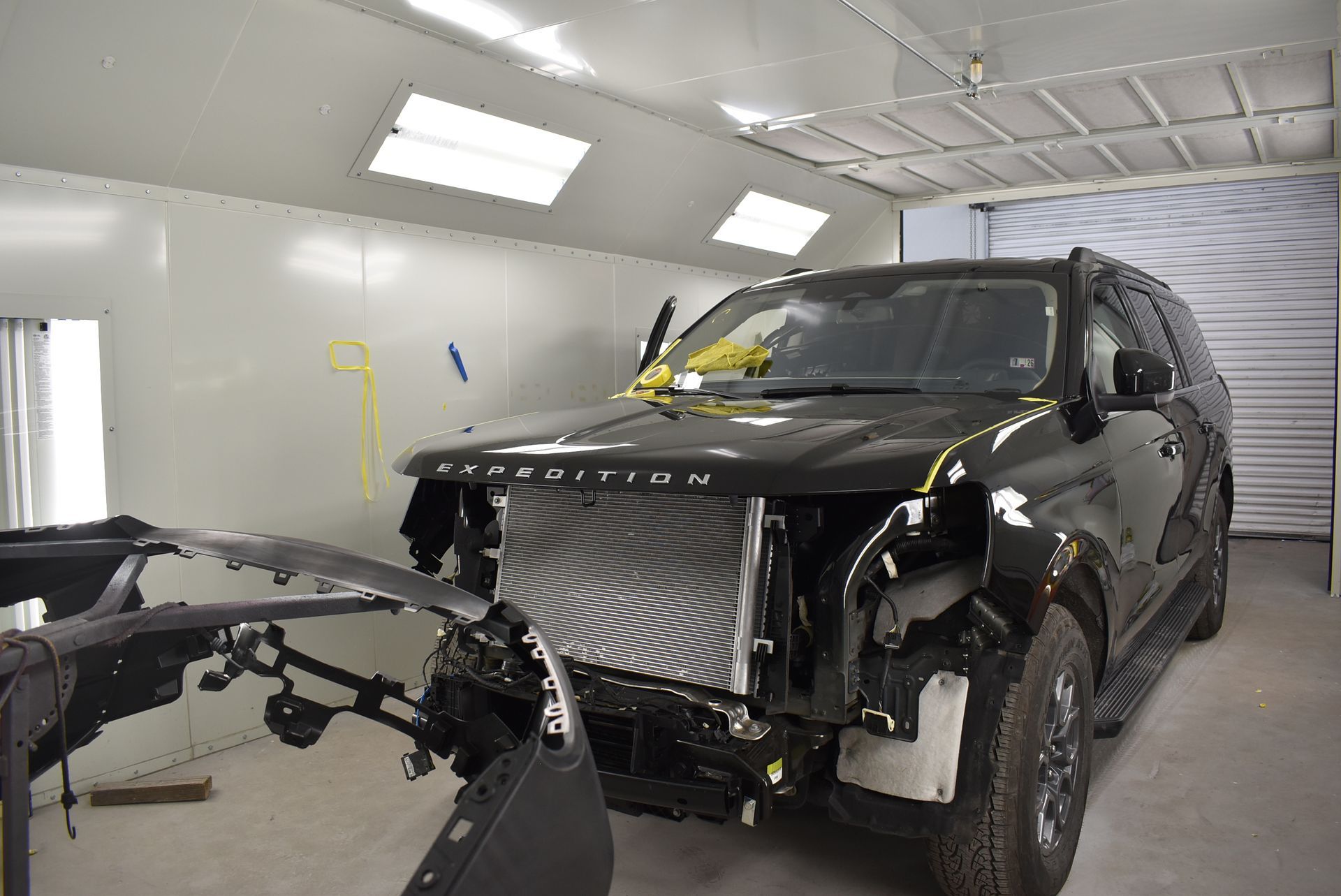
Professional-grade spray booths with controlled downdraft ventilation, calibrated spray guns, and infrared or convection curing systems are what allow paint to bond and cure correctly. Shops operating without this infrastructure are cutting corners at the most critical stage of the entire repair process.
The Paint Repair Process — Step by Step
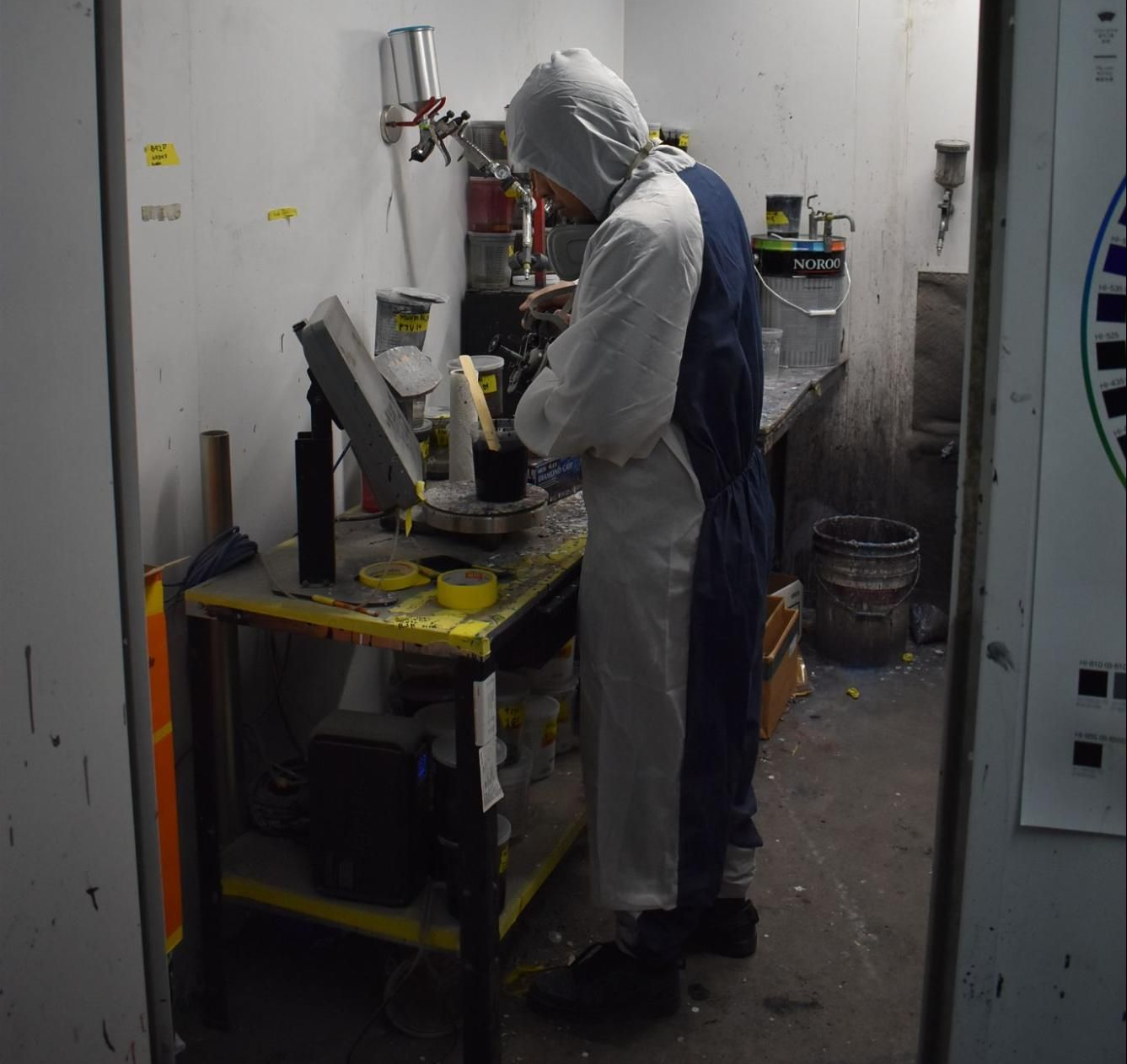
Once you know what a proper repair looks like, it's easier to spot the shops that are cutting steps short. For a closer look at how the full process works from drop-off to pick-up, you can also explore our repair process in detail.
Damage Assessment and Surface Preparation
Before any paint touches your vehicle, the damaged area must be cleaned, degreased, sanded to the appropriate stage, and primed. This prep work is the most time-consuming part of any job — and the one most frequently rushed. Any contamination, micro-rust, or surface irregularity left beneath the paint will eventually push through and compromise the finish from the inside out.
Expert shops treat surface prep as foundational and non-negotiable. Average shops treat it as the easiest place to save time.
Primer, Base Coat, and Clear Coat — What Each Layer Does
A correct paint repair is a layered system, not a single application. Each stage has a distinct function:
- Primer: Seals the bare surface, prevents oxidation, and creates a stable foundation for adhesion.
- Base coat: Delivers the color — this is where precision color matching, not approximation, matters most.
- Clear coat: Protects the base layer from UV degradation, environmental contamination, and physical wear.
Each layer requires a specific application technique and adequate drying time before the next is applied. Compromising any stage weakens everything built on top of it. If you're weighing a larger repair,
professional auto painting services cover everything from spot fixes to full-panel refinishing.
Color Matching: Why It Takes More Than a Paint Code
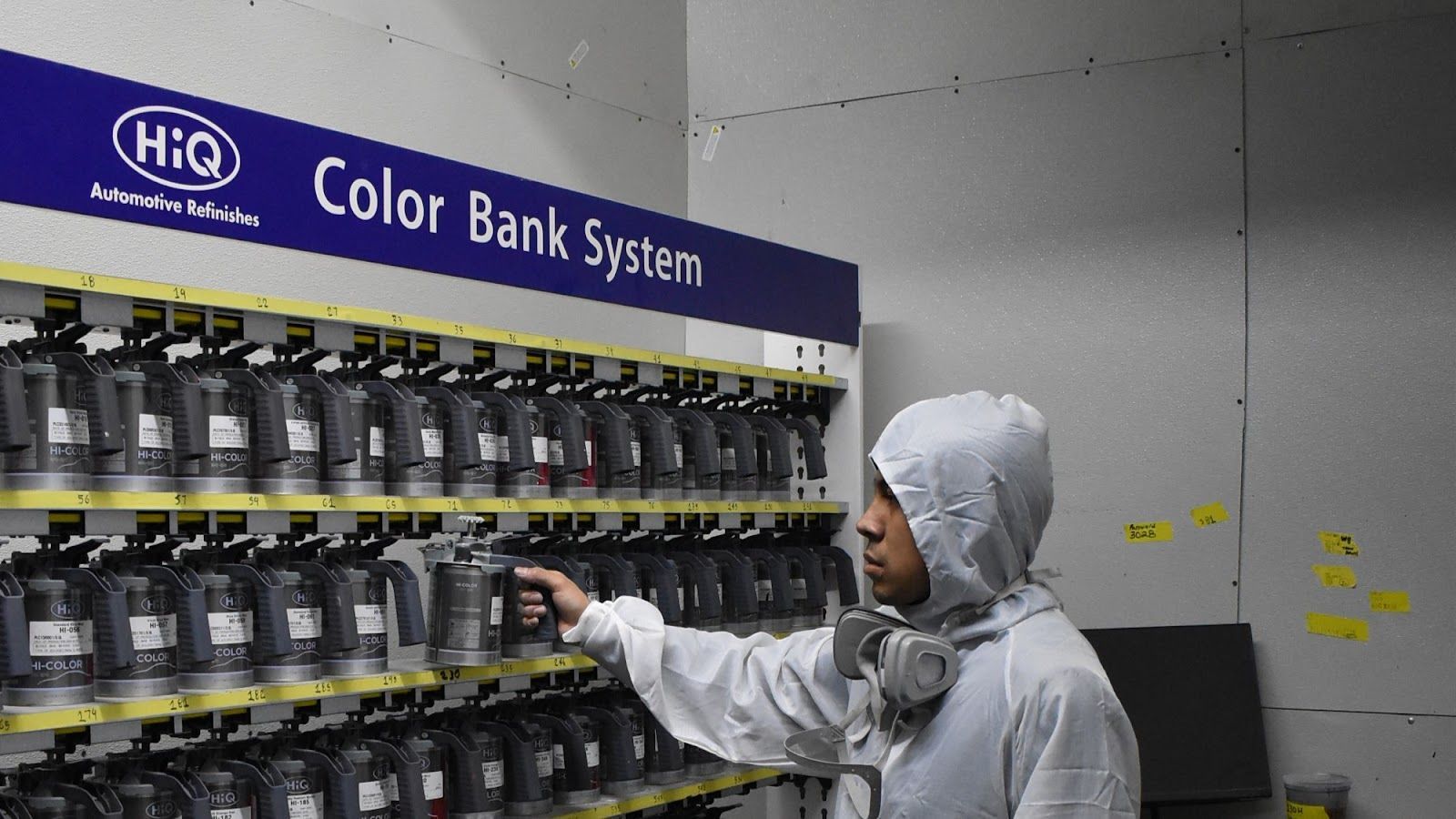
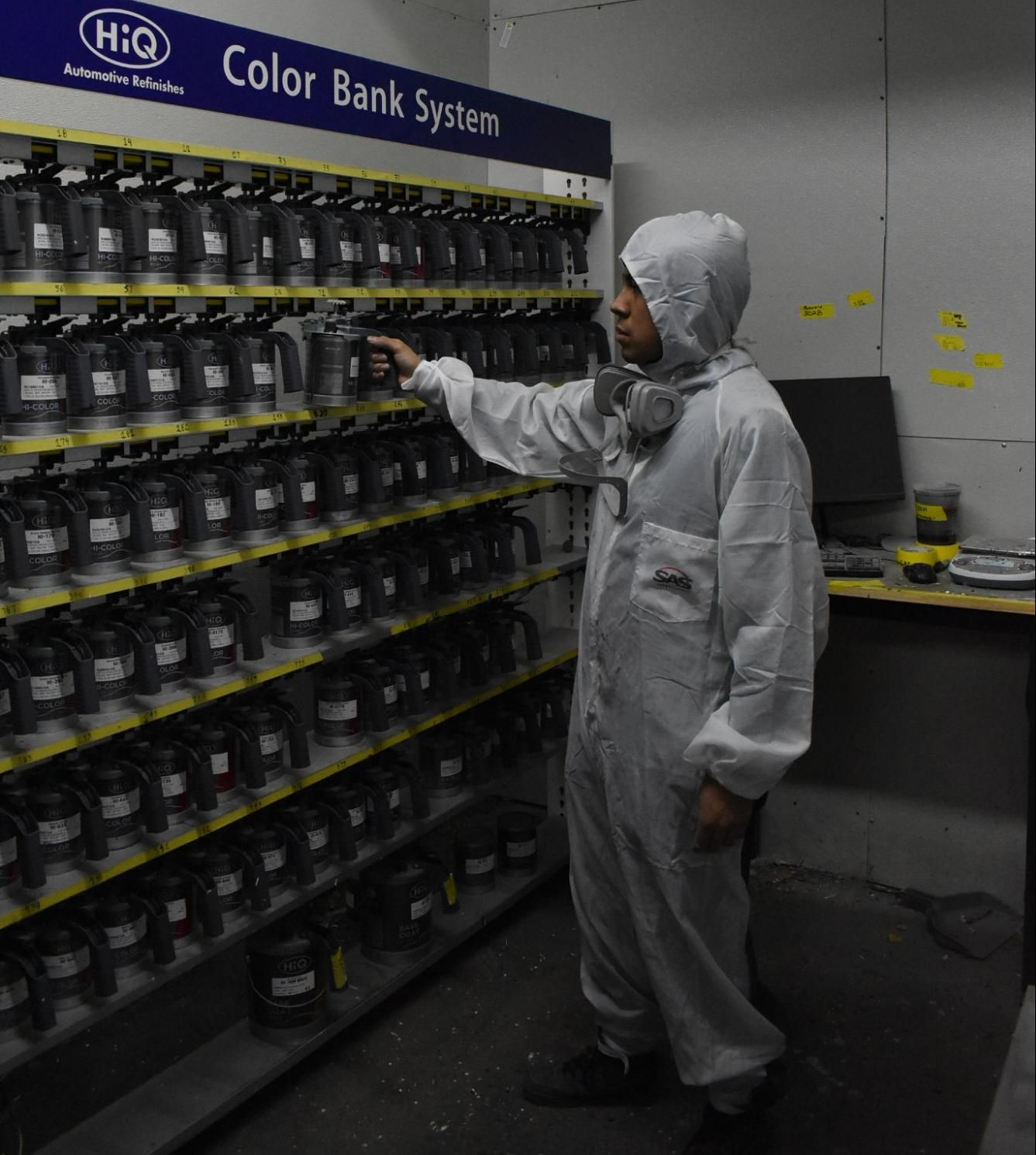
Modern vehicle paint systems involve thousands of color variants that shift across model years, trim levels, and even individual production runs. Expert shops use spectrophotometers, devices that scan the existing paint on your vehicle and generate a precise mixing formula to achieve a match that's invisible in any lighting condition.
Shops without this technology rely on manufacturer paint codes and visual approximation. The result may look acceptable under artificial shop lighting but reveals itself outdoors, showing visible differences in tone, gloss level, or metallic particle alignment.
The Materials That Make or Break the Result
OEM-Grade vs. Budget Paint Products
OEM-grade paints are engineered to match the original manufacturer's specifications — the same chemical composition, flexibility characteristics, and UV inhibitor concentration as the factory application. Budget alternatives may look identical when wet but respond differently to heat cycling, direct sunlight, and seasonal temperature variation over time.
This is one of the most significant hidden differences between expert and average paint repair — and it's rarely disclosed upfront. Understanding the
common factors that cause car paint to fade makes it easier to see why material selection has such a lasting impact on how a repair holds up.
| Factor | OEM-Grade Paint | Budget Paint |
|---|---|---|
| Chemical composition | Matches factory specification | General-purpose formulation |
| UV inhibitors | High concentration | Reduced or inconsistent |
| Flexibility | Engineered for heat cycling | May crack or peel over time |
| Color stability | Long-term fade resistance | Prone to early color shift |
| Adhesion properties | Optimized for modern substrates | Variable performance |
How Curing Time and Finishing Affect Long-Term Durability
Paint that isn't given adequate curing time is physically weaker. It's more susceptible to chips, delamination, and surface marring during the critical weeks after a repair. Curing is a controlled process. Temperature, humidity, and dwell time all factor into whether the paint reaches its full hardness and flexibility.
Shops that promise unusually fast turnaround on significant refinishing work are almost always compressing the curing stage. The results are rarely visible immediately — but they tend to surface within months.
How to Recognize Quality Paint Repair Work
Visual Signs of a Well-Executed Repair
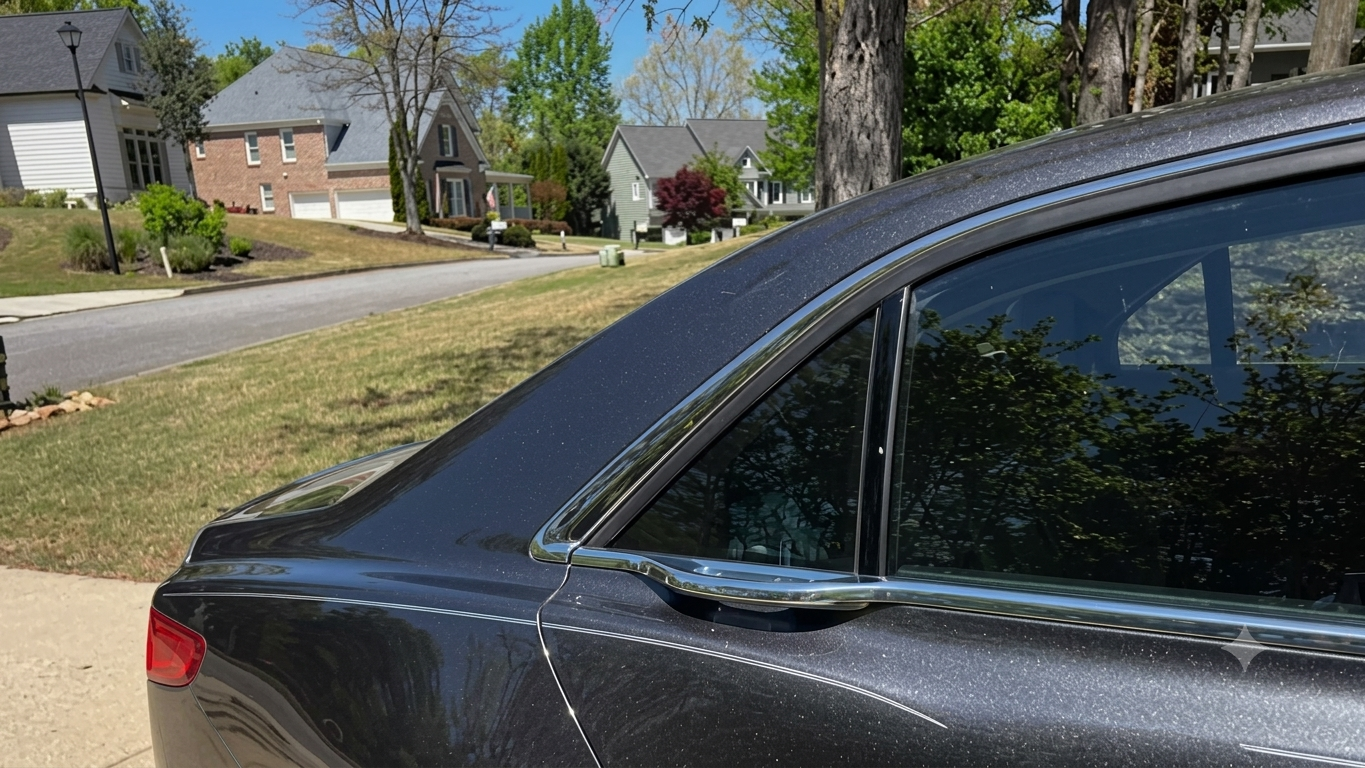
Quality paint repair has one goal: you shouldn't be able to tell it was done. That's also how you judge it. Look for uniformity, such as consistent sheen across the repaired and adjacent panels, no visible transition at the blend line, and no surface texture issues such as orange peel, runs, sags, or clouding.
Any of these signs points to application problems, material shortcuts, or inadequate surface preparation — issues that tend to worsen over time rather than resolve on their own.
What to Inspect When You Pick Up Your Vehicle
Always examine your vehicle in natural daylight before accepting it. Evaluate these specific areas:
- Color match: View the repaired panel from multiple angles and distances, not just straight on.
- Blend line: The transition between the repaired area and original paint should be completely invisible.
- Surface texture: Should feel and look uniform across the entire affected panel.
- Panel alignment: Surrounding trim, moldings, and adjacent panels should be correctly realigned.
A reputable shop expects this inspection and welcomes it. A shop that pushes back on a final walkthrough is telling you something about the work they did.
When Expert Paint Repair Is Worth It — and When It Isn't
Surface Scratches vs. Deep Paint Damage
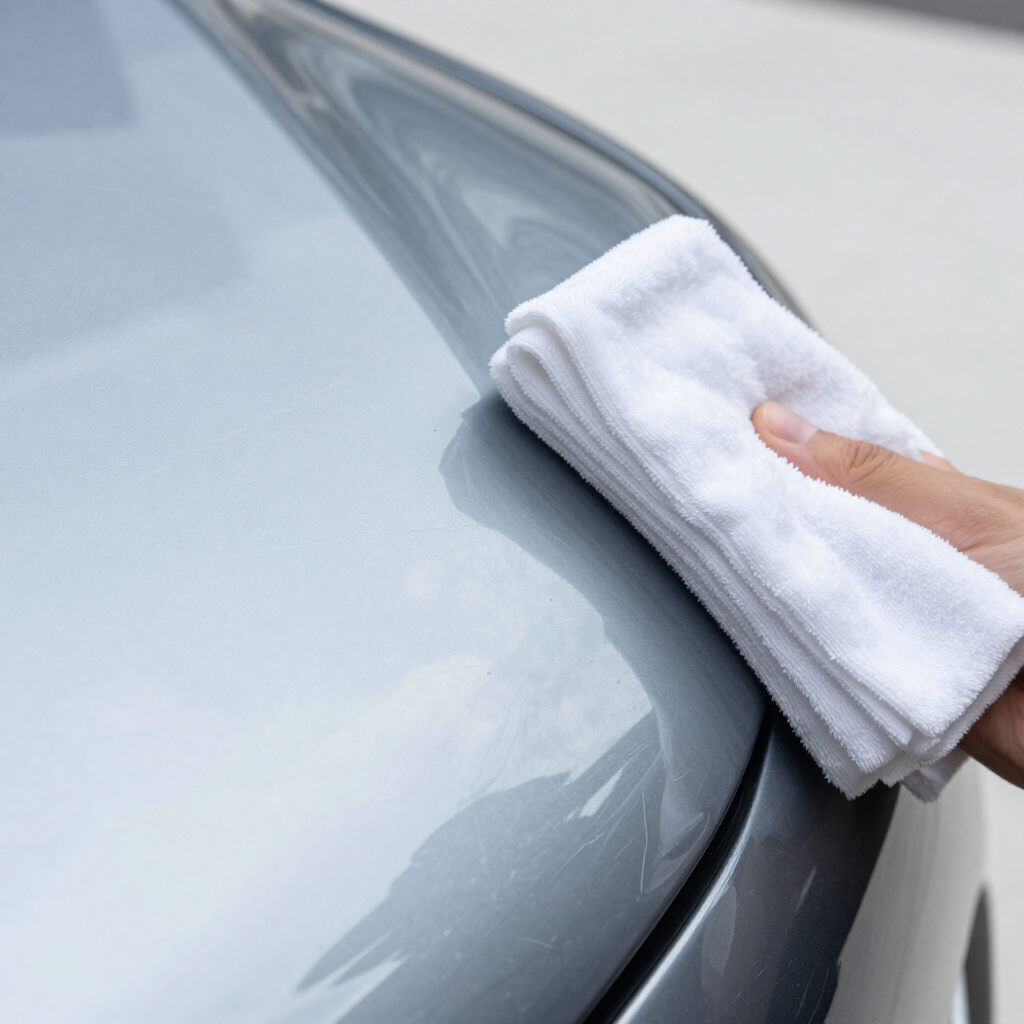
Light surface scratches that haven't broken through the clear coat can sometimes be resolved through professional polishing and compounding. Anything deeper, reaching the base coat, primer, or bare metal, requires proper
paint scratch repair and removal to seal the surface and prevent rust from forming beneath the finish.
A practical rule: if you can catch the scratch with your fingernail, it's likely to reach the base coat and needs proper repair rather than polishing alone.
Collision Damage, Fading, and Oxidation
Impact damage, large-panel fading, and significant surface oxidation all require full refinishing — not surface-level touch-up. These conditions have progressed beyond what cosmetic correction can address and need the complete preparation, prime, paint, and cure sequence. For car owners in Cumming, where summer heat and hail come with the season,
protecting your car's paint early means fewer costly repairs down the line.
If your vehicle isn't drivable after an accident, Forsyth Collision offers free towing for most services, so arranging transport to the shop is one less thing to deal with when you're already managing the aftermath of a collision.
What Insurance Typically Covers
Most comprehensive and collision insurance policies cover paint repair resulting from a covered accident, hail event, or qualifying weather damage, after your deductible. Cosmetic wear, fading from sun exposure, and scratches from routine use are generally excluded as they fall under maintenance rather than insured damage.
Forsyth Collision works directly with all major insurance providers, handling the communication and coordination on your behalf. You focus on getting back to normal — the paperwork side gets handled without you having to chase it.
Questions to Ask Any Shop Before You Book
Certifications, Warranties, and Written Estimates
Before committing to any shop, get clear answers to these three questions:
- Are your technicians ASE-certified or I-CAR trained?
- Do you offer a written warranty on refinishing work?
- Can I receive a detailed, itemized estimate in writing before work begins?
A reputable shop answers all three directly and without hesitation. Vague or verbal-only responses to any of them are a reason to keep looking.
Red Flags That Signal Substandard Work
Watch for these warning signs when evaluating a shop:
- Estimates provided verbally only, with nothing in writing
- No visible spray booth on the premises
- Unusually fast turnaround promises for significant repairs
- Resistance to showing previous work or customer references
- Pressure to commit before you've had time to evaluate
Each one reflects how the shop approaches every stage of the repair, not just the parts you can see when you pick up your car.
Expert vs. Average Shop — Quick Comparison
| Factor | Expert Shop | Average Shop |
|---|---|---|
| Technician credentials | I-CAR or ASE certified | Uncertified or unknown |
| Color matching method | Spectrophotometer scan | Paint code approximation |
| Paint materials | OEM-grade products | Budget alternatives |
| Spray booth | Climate-controlled, professional-grade | Basic or absent |
| Surface preparation | Thorough – treated as non-negotiable | Often rushed to save time |
| Curing process | Controlled infrared or convection curing | Air-dried or compressed |
| Written estimate | Provided before work begins | Verbal only |
| Warranty on refinishing | Offered in writing | Rarely provided |
Frequently Asked Questions
What's the difference between touch-up paint and professional paint repair?
Touch-up paint is a temporary measure for very minor chips and surface scratches. It fills the void but rarely achieves a precise color match and bypasses the prep, prime, and clear coat process that professional refinishing requires. For anything beyond a small, isolated chip, professional repair builds a finish that holds — properly prepped, sealed, and given time to cure, rather than just filled.
How long does professional paint repair typically take?
Most jobs run between one and three business days, depending on the extent of damage and the number of panels involved. A significant portion of that timeline is curing — the stage where paint chemically bonds and reaches its full hardness. If a shop quotes same-day completion on substantial panel work, it's worth asking specifically how they handle that stage before you agree.
Does insurance cover paint repair from an accident?
In most cases, yes — provided the damage comes from a covered event such as a collision or hail storm. Your policy will typically cover the repair cost after your deductible, while everyday wear, fading, and cosmetic scratches remain excluded. Forsyth Collision works with all major insurance providers, so if you're navigating a claim, the coordination happens on our end, not yours.
The Right Repair, Done Once
Choosing a
paint repair provider in Cumming is ultimately a decision about how long the repair holds. Price matters, but the prep, materials, and experience behind the shop determine whether you're back in the same situation six months from now.
The details that separate expert work from average work are invisible once the job is done, which is why they matter most before you hand over your keys. The more specific your questions going in, the easier it becomes to tell the shops worth trusting from the ones worth avoiding.
At Forsyth Collision, those standards — precision, integrity, and quality that hold up over time — are what every repair is built around. Certified technicians, OEM-grade materials, and a process that doesn't cut corners at the steps that actually matter.
If you're ready to have your paint repaired the first time, correctly, call us at (678) 771-5024.