Will your repainted car panel match? What you need to know before booking a repair
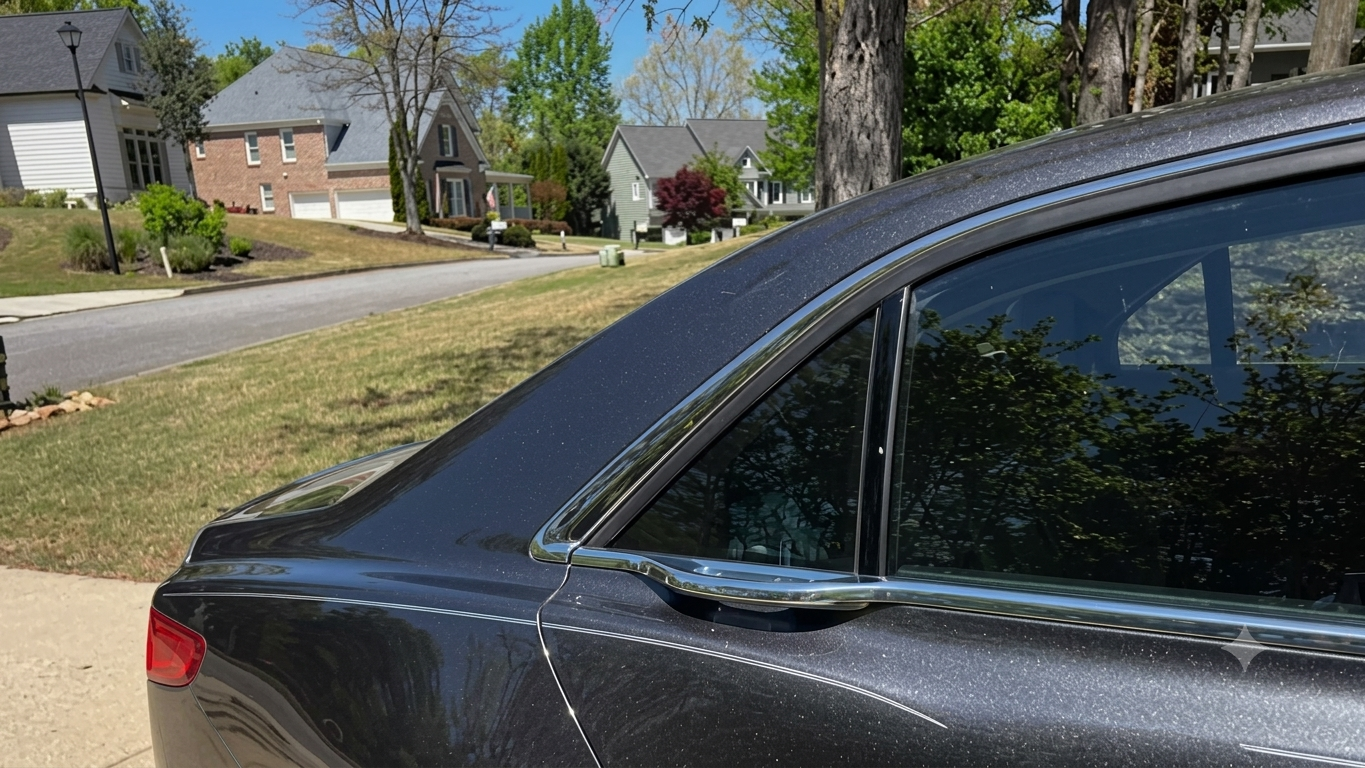
A single scratch on your vehicle's door can disrupt its entire appearance. While factory paint codes provide a starting point, real-world driving conditions fade your car's exterior over time. This fading makes matching new paint to older panels a complex puzzle for collision repair shops. Modern collision centers use a scientific approach to make repair lines completely disappear, preventing the visible lines that vehicle owners often expect.
Achieving this seamless transition relies on a specialized digital camera that reads the exact shade of your paint. This technology ensures that your
paint repair blends perfectly with the surrounding panels. Read on to discover how digital tools solve the industry's oldest color matching challenge.
TL;DR Quick paint repair guide
- The fading challenge: Environmental exposure alters factory paint, meaning original paint codes rarely match aged panels.
- Digital precision: Computerized spectrophotometers measure color from multiple angles to calculate a custom formula.
- Invisible blending: Certified technicians blend the new paint into adjacent panels to eliminate visible repair lines.
- OEM standards: Specialized refinishing preserves your vehicle's factory warranty and long-term resale value.
The science of fading: How environment alters factory paint
Automotive paint undergoes constant chemical changes from the moment a vehicle leaves the assembly line. While manufacturers apply durable clear coats to protect the underlying color, environmental factors gradually degrade these protective barriers. Understanding how these elements interact with your car's finish explains why standard paint codes represent a starting point rather than a final solution.
| Environmental factor | Primary cause | Impact on paint finish |
|---|---|---|
| UV radiation | Intense sunlight exposure | Breaks down color pigments, causing fading and shifting shades. |
| Chemical attacks | Acid rain, road salt, and bird droppings | Etches into the clear coat, creating microscopic craters that scatter light. |
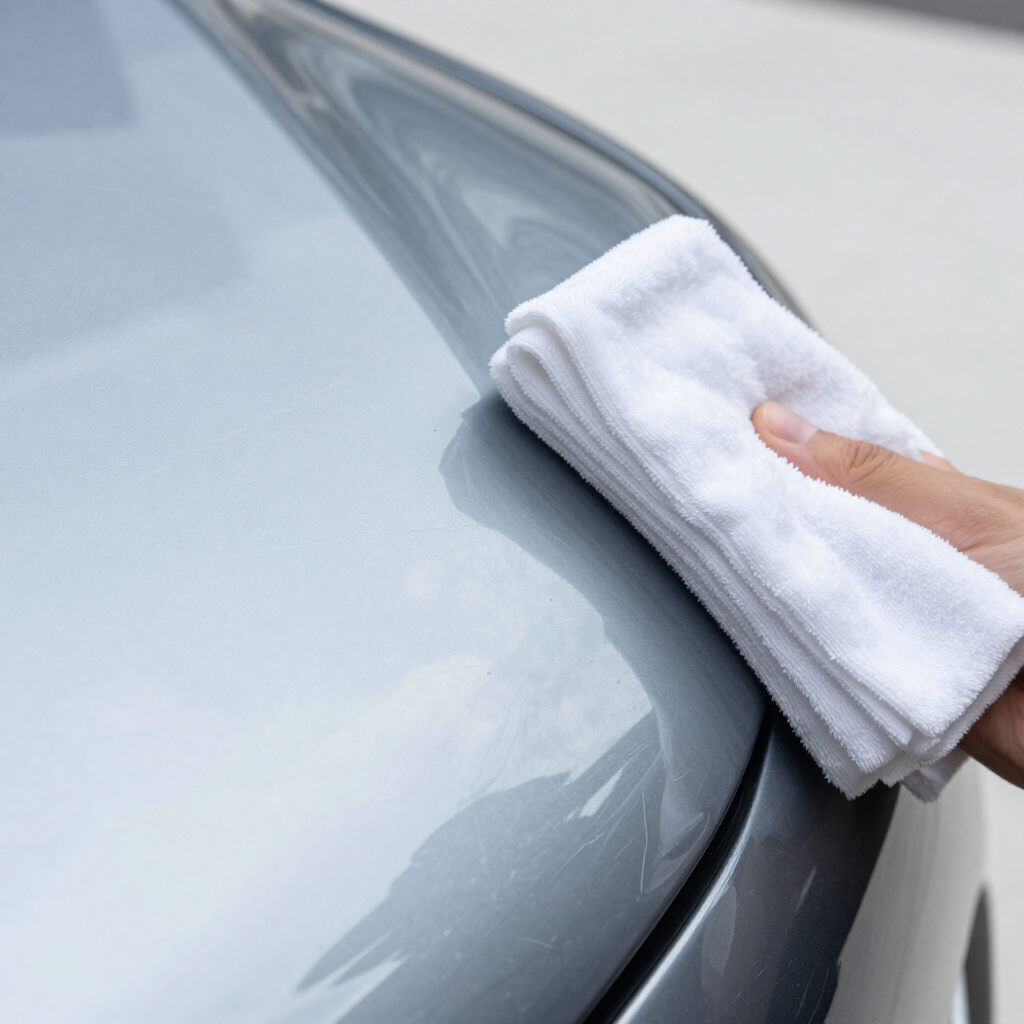
| Physical wear | Road debris, sand, and dust | Creates thousands of tiny swirl marks that diffuse light reflection. |
| Atmospheric wear | Industrial fallout and moisture | Dulls the glossy surface and alters how the human eye perceives color. |
Each factor contributes to a unique rate of paint degradation.
Because every vehicle experiences a unique combination of sun exposure, driving habits, and storage conditions, two identical cars purchased on the same day will exhibit different rates of paint fade after a few years. Consequently, mixing paint based solely on the factory color code printed on the door placard will result in a noticeable mismatch. Professional refinishing requires a customized approach that accounts for the specific weathering your vehicle has experienced.
Inside the spectrophotometer: Measuring color with digital precision
To overcome the limitations of factory paint codes, modern collision centers rely on advanced digital color measurement tools. We solve this problem using a specialized digital color camera, known in our industry as a spectrophotometer, which eliminates human error and subjective judgment from the color matching process.
A spectrophotometer functions as a specialized digital camera designed to analyze how a surface reflects light. When a technician places the device against your vehicle's clean paint, the instrument isolates the area from external light sources. It then projects a standardized beam of light onto the panel from multiple angles, measuring exactly how light bounces off your car's surface.
The device measures four critical dimensions of your paint finish to build a complete optical profile:
| Paint dimension | What it measures | Why it matters for matching |
|---|---|---|
| The base color | The actual color family (e.g., blue, red) | Establishes the primary pigment foundation for the repair. |
| The lightness | The value from deep black to bright white | Ensures the repaired panel is not too bright or too dark. |
| The color intensity | The saturation or purity of the color | Matches the vividness or muted tone of the surrounding panels. |
| The metallic effect | The size and pattern of metallic flakes | Guarantees the metallic sparkle matches the factory finish. |
These measurements provide a complete optical profile of your vehicle's current finish.
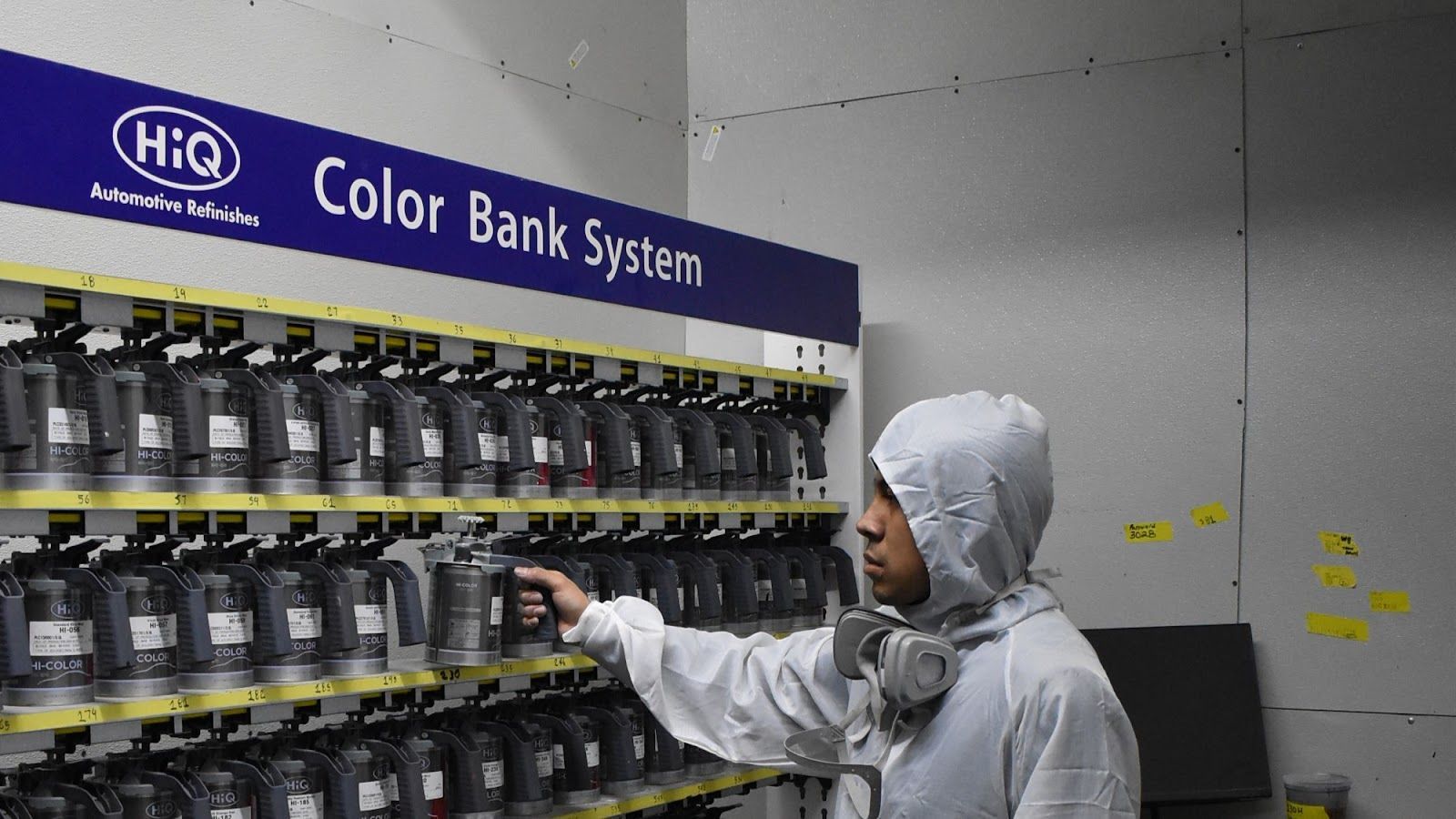
Once the spectrophotometer captures this data, it transmits the information to a computerized paint-mixing database. The software compares your vehicle's unique optical profile against millions of stored paint formulas, identifying the closest match and calculating the exact adjustments needed to account for fading. The system then outputs a precise recipe detailing the exact weight of each toner, binder, and metallic additive required to mix the matching shade.
Measuring light reflection with digital tools ensures consistent results, eliminating the errors of human eyesight. This technology ensures consistent results regardless of shop lighting conditions or individual technician color perception.
Blending and craftsmanship: Achieving an invisible transition

While digital technology provides an incredibly accurate paint formula, achieving a truly invisible repair still requires a high level of manual skill. The final transition between the newly painted repair area and the original, aged paint relies on a technique known as blending.
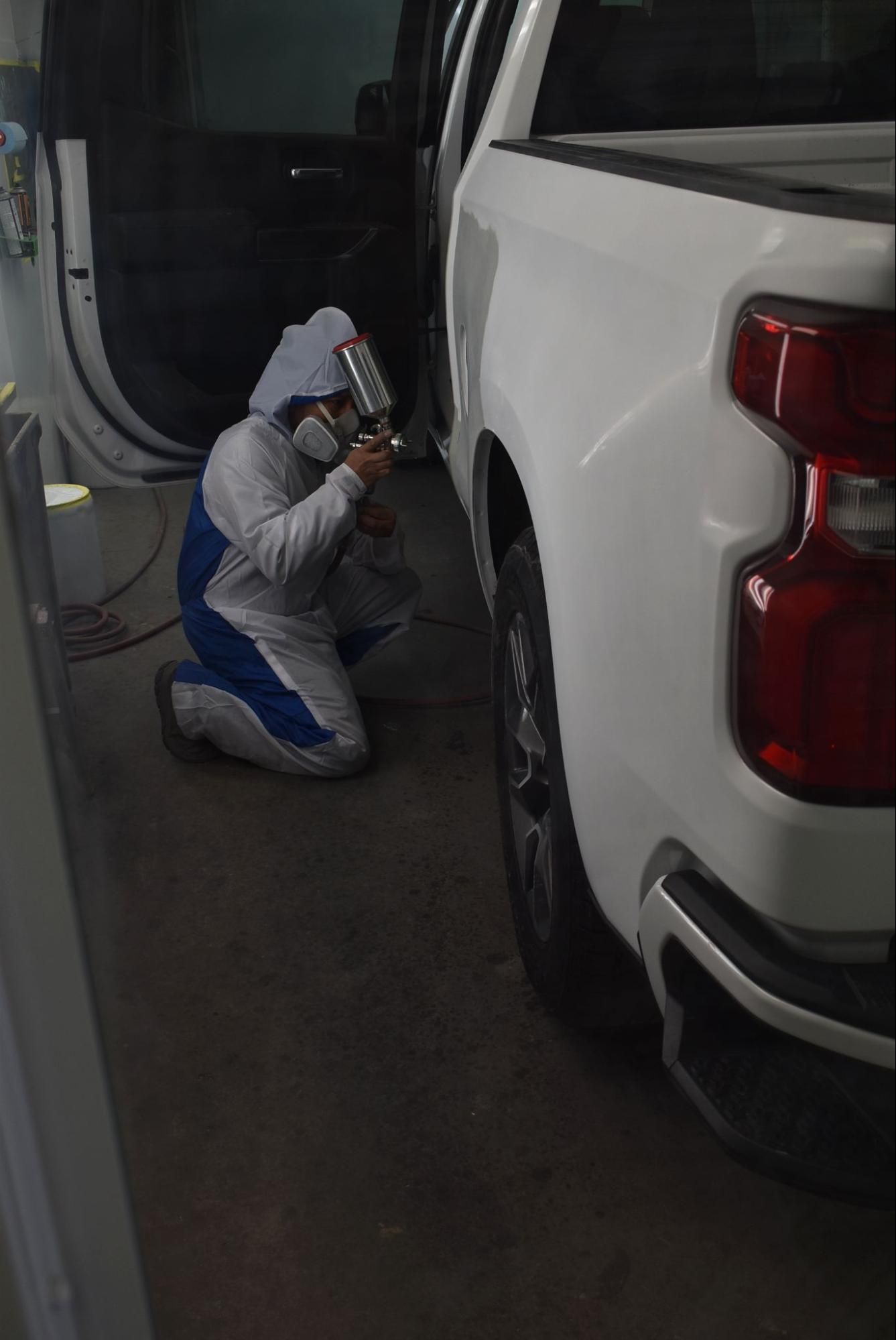
Blending is the art of gradually transitioning the new paint into the surrounding original finish. Technicians spray the color base coat slightly past the repair zone and taper the application outward. This creates a soft, feathered edge where the new paint blends seamlessly into the original finish.
To verify the accuracy of our custom formula before spraying your vehicle, our painters create physical "spray-out cards." We spray these small metal test panels with the mixed paint and compare them directly to your vehicle's adjacent panels under specialized daylight lamps. This hands-on testing step ensures the color matches perfectly before we begin the actual refinishing process.
The blending process requires meticulous preparation of the adjacent panels across four distinct steps:
| Blending step | Technical action | Purpose of the step |
|---|---|---|
| 1. Scuffing | Scuffing the clear coat with an ultra-fine pad | Creates a mechanical bond for the new clear coat without altering color. |
| 2. Masking | Masking off trim pieces, glass, and body lines | Prevents overspray and ensures clean, sharp edges across panels. |
| 3. Base coat application | Applying custom-mixed color in thin, tapered passes | Creates a gradual transition that eliminates visible repair lines. |
| 4. Clear coat application | Applying fresh clear coat over the entire panel | Seals the repair under a single, continuous protective sheet. |
This seamless clear coat application is what prevents moisture from penetrating the repair boundaries.
Because no sharp line separates the new paint from the old, the brain perceives the entire side of the vehicle as a single, uniform color. This technique is especially effective under varying light conditions, ensuring the repair remains invisible whether viewed under bright Georgia sunlight or overcast skies.
Combining this physical craftsmanship with
paintless dent repair allows technicians to restore damaged panels to their original shape and finish without leaving any trace of the collision.
Certified repairs for modern vehicles: Handling complex finishes

Modern automotive manufacturers constantly push the boundaries of paint technology, introducing complex multi-stage finishes that require specialized knowledge and equipment to repair. Vehicles like the Hyundai Santa Cruz feature sophisticated paint systems that demand strict adherence to factory refinishing protocols.
Multi-stage finishes incorporate semi-transparent mid-coats containing pearl pigments, tinted clear coats, or specialized metallic flakes. These layers differ from traditional two-stage systems that use only a base coat and clear coat. These layers must be applied at precise thicknesses to achieve the correct color depth and reflective shine.
At Forsyth Collision, we utilize the premium
PPG Envirobase High Performance waterborne paint system. This advanced, environmentally friendly technology offers superior color purity, exceptional metallic flake control, and perfect alignment with modern factory finishes. Repairing these advanced finishes requires specialized training and equipment:
| Refinishing requirement | Standard met | Benefit to the vehicle owner |
|---|---|---|
| OEM-certified equipment | Approved spray guns and down-draft booths | Guarantees the paint application matches factory specifications. |
| I-CAR Gold Class training | Continuous education for refinishing painters | Ensures technicians master the latest multi-stage application techniques. |
| Precision thickness gauges | Digital measurement of paint film layers | Verifies the new coatings match factory thickness guidelines. |
| Waterborne paint systems | Environmentally friendly paint technology | Offers superior color purity and precise metallic flake control. |
These standards ensure that every repair meets factory quality guidelines.
Our painters undergo continuous education through the
I-CAR Repair Technology Standards portal to master the latest application techniques for waterborne paints and multi-stage finishes. This commitment to certified refinishing ensures that your vehicle's paint system is restored to its original factory standards. By utilizing manufacturer-approved processes and materials, we preserve your vehicle's structural integrity, corrosion warranty, and long-term resale value.
Choosing a shop that specializes in
professional auto painting guarantees that your vehicle's complex finish receives the exact care required to look and perform like new.
Restoring your vehicle's value and protection

A high-quality paint job serves as your vehicle's primary defense against rust, environmental damage, and structural decay. It directly protects your automotive investment while keeping your car looking its best.
When you choose a shop that combines digital color matching with certified craftsmanship, you ensure that your vehicle retains its maximum resale value. Mismatched paint panels are an immediate red flag to buyers and dealerships, signaling past accident damage and potentially poor repair quality. A seamless, invisible repair preserves the vehicle's history and aesthetic appeal.
Obtaining
professional paint repair in Cumming ensures your vehicle receives the precise care needed to restore its factory-correct appearance. Our certified technicians follow strict OEM guidelines to deliver flawless results backed by a lifetime warranty, giving you complete peace of mind on the road ahead.
If you're ready to restore your vehicle's finish, find
Forsyth Collision on Google Maps to get directions to our shop.
About the author
Salih Hamid is the founder and owner of Forsyth Collision in Cumming, GA. With over a decade of hands-on experience in automotive refinishing and structural repair, Salih has built Forsyth Collision into North Georgia's premier destination for factory-correct, safety-first collision repairs. He holds advanced certifications from I-CAR and major vehicle manufacturers, ensuring every vehicle is restored to original factory standards.